
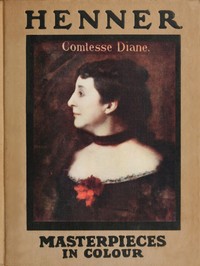
Henner by François Crastre
Read "Henner by François Crastre" Online
This book is available in the public domain. Start reading the digital edition below.
Book Preview
A short preview of the book’s content is shown below to give you an idea of its style and themes.
I don't normally pick up a book with a simple name for a title, but I'm so glad I trusted the cover copy on this one. Henner isn't a massive doorstop full of maps and dates—it's actually cleverly short and focused. And that's a good thing. It packs a serious punch in a small package.
The Story
The book follows, well, we don't quite know at first. The narrator is a researcher or maybe an artist’s neighbor—Crastre cleverly leaves this hazy on purpose—who keeps seeing the name “Henner“ repeat on a list. And goes, “Wait a minute. Who is that? He's always mentioned on official lists but vanishes from any lore.” So the narrator starts asking questions, poking into diaries, old letters, and fading public records. And you discover Henner wasn’t a soldier or criminal. He was a painter who literally tried to keep off paper. The mystery isn’t a murder or long-lost treasure. It's about why this specific person worked so hard to not exist, and what that says about the village’s darker, often quiet decisions to ignore or profit from people carefully labeled as 'non-things.' It's suspense mixed with social history, but never heavy-handed. You just follow breadcrumbs.
Why You Should Read It
This book made me stop and think: How many 'non'-biographies are lying in every family attic? I’m normally a thriller guy, but this slowed me down. I enjoyed piecing together the life of this man with the narrator. No cheesy suspense music. Just logic, luck, and some deeply emotional discoveries about loneliness and taking care of people. The writing had this light sadness, like eating fruit that's ever so slightly towards past ripe. Also, it sidesteps tropes amazingly—no ugly american or white savior shows up. Just locals recognizing both the harm and love they witnessed. That nuance felt true.
Final Verdict
Honestly, I’d press this into your hands if you see history as who ISN'T mentioned, not who is. If you like Stefan Nadolny, Rebecca Makkai’s speculative moments, or just grabbing coffee with a mysterious ancestor over a diary, this. Is. For. You. It's perfectly short for a careful weekend read, and generous with its gray emotions.
This text is dedicated to the public domain. Share knowledge freely with the world.
Robert Gonzalez
1 year agoI wanted to compare this perspective with traditional views, the bibliography and references suggest a high level of research and authority. A rare gem in a sea of mediocre content.

Karen Brown
6 months agoUnlike many other resources I've purchased before, the structural organization allows for quick referencing of key points. This has become my go-to guide for this specific topic.