1

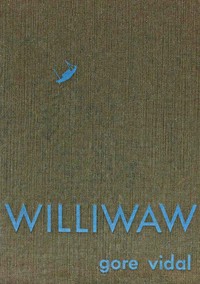
Williwaw: A Novel — Edition Insights
(0 User reviews)
1268
Project Gutenberg
2021
Not confirmed
Sea stories; War stories; Alaska -- Fiction; World War, 1939-1945 -- Alaska -- Aleutian Islands -- Fiction; World War, 1939-1945 -- Alaska -- Fiction; Aleutian Islands (Alaska) -- Fiction
Readers of public-domain and historical texts
Project Gutenberg digital edition
en
Edition facts
Words
57,591
Reading time
251 min
Text sections
11
Before opening Williwaw: A Novel — Edition Insights, the edition data offers a quick orientation: 57,591 words, 4 hr 11 min estimated reading time, and 11 detected text sections.
The text analysis averages about 9.1 words per sentence, while the detected sections provide another way to judge how the source is divided.
Project Gutenberg metadata also associates the work with “Sea stories,” connecting these edition facts with the source record’s subject description.
Source:
Project Gutenberg record #66691
Gore Vidal's first novel, set in the Aleutian Islands during World War II, follows the crew of a U.S. Army supply ship as they navigate treacherous weather and interpersonal tensions. The excerpts reveal a focus on mundane routines, physical discomfort, and the psychological strain of isolation, rather than combat.
Read the complete public-domain text at its original source.
Read on Project GutenbergGore Vidal's first novel, published when he was twenty-one, opens not with a battle but with a hangover. The protagonist, Evans, wakes in his bunk to sentimental radio music, a sea gull passing the window, and the ache of too little sleep. The catalog subjects list war and sea stories, but the excerpts show a narrative more concerned with the texture of daily life aboard a supply ship in the Aleutians: scraping paint off the bow, the irritating habit of a mate running his hands through his hair, the thud of Negro music. The williwaw—a sudden, violent wind—gives the book its title and its central threat, yet the early chapters dwell on the crew's small rituals and private thoughts.
The Crew's Interior Lives
The excerpts devote considerable space to what the men think about when they are not working. The Chief Engineer, Duval, whittles his fingernails to avoid thinking about the storm. The Chaplain, O'Mahoney, reminisces about his monastery in Maryland, comparing his role with novices to a First Sergeant's job. Hodges, a soldier, engages in a philosophical exchange about possessions and escape. These conversations are not plot-driven; they reveal a group of men thrown together, each carrying a private world. The narrative voice shifts between characters, offering glimpses of their pasts—Duval's lost child, the oiler who is seasick—without resolving them. The effect is a portrait of isolation within a shared space, where the ship becomes a container for disparate lives.
The Body Under Pressure
Physical sensation is rendered with precision. Evans presses his fingers against his eyelids, 'morbidly enjoyed the pain.' Duval cuts his finger on a knife during a lurch, and the description follows the blood in a thin stream, the waving of the hand to cool the pain, the finger stuck in the mouth. The engine room is hot, the oiler sick from fumes. The ship's motion is a constant, unglamorous assault: 'tossed about like a stick in a river current.' These details ground the story in the body's vulnerability, making the williwaw not just a meteorological event but an intensification of what the men already endure. The catalog subject 'World War, 1939-1945' is present only as a backdrop; the real war is against discomfort, fatigue, and the body's limits.
The Wind as a Narrative Device
Vidal's note defines 'williwaw' as a sudden big wind, and the excerpts show it functioning as both a literal threat and a structural principle. The wind is 'confused: blowing from first one direction and then shifting to another.' The ship's course is maintained despite being 'tossed about like a stick.' The storm interrupts conversations, throws men off balance, and forces decisions. Yet the narrative itself mimics the williwaw's unpredictability: it cuts from Evans's hangover to the engine room to the salon, shifting focus without warning. The catalog subject 'Sea stories' might promise a linear adventure, but the excerpts suggest a story that moves like the wind—erratic, sudden, and indifferent to human plans. The storm is not a climax but a condition of existence.
Readers expecting a conventional war novel or a taut sea adventure may find instead a patient, almost anthropological study of men under ordinary duress. The williwaw, when it comes, will likely test not their courage but their endurance. Pay attention to the small gestures—the way a man ties a bandage, the magazine an oiler reads, the ache behind a skipper's eyes. These are the details that give the book its particular gravity.
There’s something haunting about how Williwaw finds war in the waiting, the damp chill, the small feuds. It makes me think of old dime novels I’d page through later, like Buffalo Bill, the Border King; Or, Redskin and Cowboy — Themes and Context—both share that quiet ache of men stuck in a vast, indifferent landscape, trading one kind of loneliness for another. I still recall the feel of those pages.
There are no reviews for this eBook.
There are no comments for this eBook.
Reader reflection
Record your reading impressions
A brief reflection can help important ideas stay with you longer.
Your progress
0
/
10
2
How much did you enjoy the reading experience?
3
Would you encourage someone else to read it?
4
How easy was the book to follow?
5
How would you describe its reading pace?
6
How would you rate its originality?
7
Did this book create an emotional response?
8
Did you relate to its people, ideas, or situations?
9
What did this book teach you most?
10